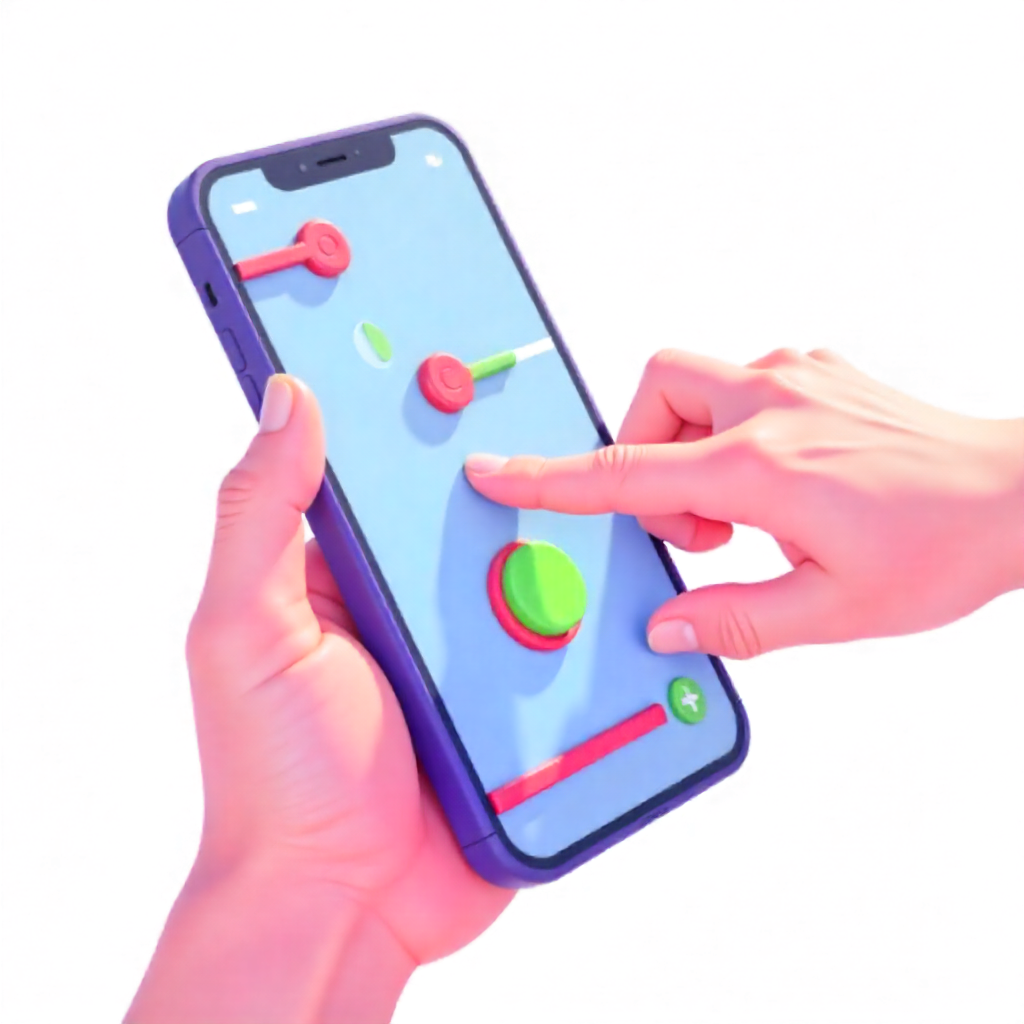
Introduction to Hyper-Casual Games
In the ever-evolving world of mobile gaming, hyper-casual games have emerged as a revolutionary force. These bite-sized, instantly playable titles have transformed how millions of players engage with games daily. With their minimalistic design and addictive mechanics, hyper-casual games have reshaped the entire mobile ecosystem, appealing to both casual players and seasoned gamers alike.
What Are Hyper-Casual Games?
Hyper-casual games are simple, easy-to-learn mobile games that require little to no instruction. Their “tap-to-play” nature allows players to jump straight into the action. Unlike traditional games that emphasize storylines, graphics, or progression, hyper-casual titles focus purely on instant gratification. Popular examples include Flappy Bird, Helix Jump, and Paper.io, all of which captivated players with their straightforward yet addictive gameplay.
The Rise of Hyper-Casual Games in the Mobile Industry
The explosion of smartphones and app stores in the early 2010s created the perfect breeding ground for hyper-casual titles. Developers realized that users craved short, rewarding experiences that could fill idle moments throughout the day. By 2020, hyper-casual games accounted for nearly 35% of total mobile game downloads, cementing their dominance in the global market.
Why Players Love Hyper-Casual Games
The secret to their success lies in accessibility. Anyone can pick up a hyper-casual game within seconds — no tutorials, no complex missions, just pure fun. They also provide instant dopamine rewards, which keep users coming back repeatedly. The blend of simplicity and competitiveness makes them highly shareable, driving viral growth through word of mouth and social media.
Core Characteristics of Hyper-Casual Games
Simple Gameplay Mechanics
Hyper-casual games often rely on one or two core actions—tapping, swiping, or holding. These mechanics are intuitive enough for anyone to grasp yet challenging enough to maintain engagement. The goal is to make gameplay feel effortless while providing satisfying feedback loops.
Minimalist Design and UI
The visual design of hyper-casual titles is intentionally simple. Minimalistic interfaces not only reduce development costs but also enhance focus on gameplay. Bright colors, geometric shapes, and clean animations keep the user experience smooth and appealing across devices.
Short Game Sessions and Instant Rewards
One of the hallmarks of hyper-casual design is short, repeatable play sessions. A typical round lasts between 30 seconds to 2 minutes. Players get instant feedback—whether through points, visual effects, or sound cues—creating a sense of accomplishment with every attempt.
The History and Evolution of Hyper-Casual Games
From Flash Games to Mobile Revolution
Before smartphones, Flash-based web games paved the way for hyper-casual concepts. Sites like Miniclip and Newgrounds were filled with quick, fun titles. When the App Store launched in 2008, this same model migrated to mobile, leading to the birth of the hyper-casual phenomenon.
Key Developers Who Popularized the Genre
Companies like Voodoo, Ketchapp, and Lion Studios became pioneers, releasing dozens of chart-topping games. Their data-driven approach to user acquisition and retention helped refine the formula for success in hyper-casual design.
Major Milestones in Hyper-Casual Gaming
From the viral success of “Flappy Bird” to the massive downloads of “Aquapark.io,” the hyper-casual genre has repeatedly broken records. By 2024, it evolved into a hybrid model—integrating progression systems, skins, and light monetization—to extend player engagement.
Popular Hyper-Casual Games and Their Success Stories
Top Grossing Hyper-Casual Titles
The hyper-casual category has produced some of the most downloaded games in mobile history. Titles like Helix Jump by Voodoo, Crowd City, Stack Ball, and Run Race 3D have collectively surpassed billions of downloads across Android and iOS platforms. Their success lies in delivering short bursts of entertainment that are easy to understand and highly replayable.
What’s truly fascinating is that many of these games were created by small teams or indie developers. Instead of investing years into development, hyper-casual projects often take just a few weeks from concept to release. This lean production cycle allows developers to experiment rapidly and capitalize on emerging trends.
Case Study: Voodoo and the Hyper-Casual Revolution
Voodoo, a Paris-based publisher, has become synonymous with hyper-casual excellence. Their data-first approach—testing dozens of prototypes weekly—helped them identify high-potential games quickly. By focusing on user acquisition metrics such as CPI (Cost per Install) and retention rate, Voodoo fine-tuned a formula for viral success. Games like Paper.io and Aquapark.io showcase how simplicity, visual clarity, and instant fun can translate into massive global reach.
How Indie Developers Are Dominating App Stores
One of the most empowering aspects of the hyper-casual genre is accessibility for indie creators. With free tools like Unity and Buildbox, even solo developers can bring their ideas to life. Combined with affordable advertising platforms and publisher support, indie developers now compete head-to-head with major studios—sometimes even outperforming them.
How Hyper-Casual Games Make Money
Advertising and In-App Monetization Models
The lifeblood of hyper-casual games is advertising. Since most titles are free-to-play, developers rely on interstitial ads, rewarded videos, and banner placements for revenue. Players watch short video ads in exchange for in-game bonuses or simply between levels. The trick lies in balancing ad frequency with user satisfaction—too many ads, and retention drops; too few, and revenue suffers.
Hybrid Monetization: Combining Ads with IAPs
As the genre matures, developers are blending ads with in-app purchases (IAPs). Players can pay to remove ads, unlock exclusive skins, or access bonus levels. This hybrid model extends the game’s lifecycle while catering to both ad-tolerant and premium audiences. According to Data.ai, hybrid monetization increased hyper-casual game revenue by nearly 40% in 2024.
The Role of User Retention in Profitability
Retention is the backbone of monetization. The longer a user stays engaged, the more ad impressions they generate. That’s why successful hyper-casual developers track Day-1 and Day-7 retention closely. Small tweaks in difficulty or reward timing can dramatically improve lifetime value (LTV). In essence, keeping players entertained—even for minutes a day—translates directly into profit.
Game Design Tips for Creating a Successful Hyper-Casual Game
Ideation and Prototyping
Every hit starts with a simple idea. The best hyper-casual games are built around one core mechanic—jumping, tapping, sliding, or matching. Developers often brainstorm multiple prototypes and test them rapidly. Tools like Firebase and GameAnalytics make it easy to gather player feedback before full-scale development.
Importance of Playtesting and Feedback Loops
Playtesting is crucial. Developers observe how players interact with early builds to spot confusion points or moments of boredom. Regular feedback loops allow fine-tuning of mechanics, difficulty progression, and UI design. The goal is to create a flow state where the player feels constantly rewarded and challenged.
Balancing Simplicity with Engagement
Simplicity is the soul of hyper-casual design, but engagement is what sustains it. Adding subtle progression systems—like score milestones, unlockable colors, or daily challenges—helps maintain user interest. A perfect hyper-casual game feels easy to start but hard to master.
Marketing Strategies for Hyper-Casual Games
Using Social Media and Influencer Marketing
Virality is the fuel of hyper-casual success. Developers leverage TikTok, Instagram Reels, and YouTube Shorts to showcase fun gameplay clips that instantly hook viewers. Influencers play a major role too—short demo videos often lead to spikes in downloads when shared by popular content creators.
App Store Optimization (ASO) Techniques
Visibility is everything. A well-optimized app store listing can make or break your game’s success. Use clear icons, catchy titles, and screenshots that highlight the gameplay loop. Regularly updating the description and using trending keywords ensures steady organic growth.
Leveraging Data Analytics for Growth
Data-driven decisions separate top developers from the rest. By analyzing CPI, retention, and session duration, studios can refine marketing campaigns in real time. A/B testing different ad creatives helps identify what resonates most with audiences, boosting conversion rates and profitability.
The Role of AI and Machine Learning in Hyper-Casual Games
Predictive Analytics for Player Behavior
AI is transforming the hyper-casual landscape. Predictive algorithms can analyze player behavior patterns and forecast engagement levels. This allows developers to tailor difficulty, level pacing, and ad placements to maximize user satisfaction and retention.
Personalized Ads and Dynamic Game Adjustments
Machine learning enables personalized ad delivery, ensuring users see relevant content rather than random promotions. Similarly, AI can adjust gameplay elements—like speed or challenge—based on player performance. This level of personalization makes each session more rewarding.
How AI Shapes Future Game Development
From automated level design to AI-generated assets, technology is accelerating production pipelines. Developers can now prototype faster, test smarter, and optimize continuously. The result? Higher-quality games released in record time, with reduced human error and improved user experiences.
Challenges Faced by Hyper-Casual Game Developers
Market Saturation and Clone Games
The success of the genre has led to overcrowding. Every week, hundreds of hyper-casual titles flood app stores, making discovery difficult. Clones and copycats further dilute innovation, forcing developers to focus on originality and brand recognition.
Retention vs. Acquisition Dilemma
While hyper-casual games excel at attracting users, retaining them is another story. Many players uninstall after a few sessions, creating a constant churn. Developers must balance acquisition costs (UA) with long-term retention strategies to remain profitable.
Ad Fatigue and Player Drop-Off Rates
Excessive advertising leads to ad fatigue, where players disengage due to repetitive or intrusive ads. To combat this, studios are experimenting with reward-based models and optional ad viewing, creating a more user-friendly experience that sustains engagement.
The Future of Hyper-Casual Games in 2025 and Beyond
Transition Toward Hybrid-Casual Models
The next evolution of hyper-casual gaming is the hybrid-casual model—a blend of simplicity with depth. Games now include meta-features like character upgrades, soft economies, and customization options. This hybrid approach enhances retention without losing the genre’s signature accessibility.
Emerging Trends: AR, VR, and Cross-Platform Gaming
As technology advances, hyper-casual concepts are expanding into AR and VR spaces. Imagine a simple “tap-to-play” experience in augmented reality—these possibilities redefine what casual gaming can be. Additionally, cross-platform experiences are bridging mobile, web, and console ecosystems, making gameplay more fluid than ever.
Sustainable Growth and Long-Term Player Engagement
Sustainability will define the genre’s future. Developers are focusing on community-driven updates, regular seasonal content, and ethical monetization to maintain trust. The aim is not just viral success but lasting engagement built on fun, fairness, and accessibility.
FAQs About Hyper-Casual Games
1. What makes a game “hyper-casual”?
A hyper-casual game features simple mechanics, short sessions, and minimalistic design. It’s easy to learn and provides instant gratification.
2. Are hyper-casual games profitable?
Yes. Most generate revenue through ads, and top-performing titles earn millions monthly due to massive download volumes.
3. How long does it take to develop a hyper-casual game?
Typically between 2–8 weeks, depending on team size and complexity. Rapid prototyping is key to success.
4. What’s the difference between casual and hyper-casual games?
Casual games offer more depth and progression systems, while hyper-casual titles focus purely on short, skill-based experiences.
5. Can indie developers succeed in this market?
Absolutely. Many hyper-casual hits originate from small teams or solo creators using accessible tools like Unity.
6. What’s next for hyper-casual gaming?
Expect hybrid models, AI-powered personalization, and AR/VR integration to define the genre’s next evolution.
Conclusion: Why Hyper-Casual Games Continue to Rule Mobile Gaming
In 2025, hyper-casual games remain a cornerstone of mobile entertainment. Their universal appeal, accessibility, and profitability ensure they’ll continue shaping the gaming landscape for years to come. By blending creativity with data analytics and AI, developers can craft experiences that captivate players instantly—and keep them coming back for more.
Whether you’re a developer, marketer, or player, one truth remains clear: simplicity is powerful. Hyper-casual games prove that you don’t need complex graphics or epic stories to deliver joy—just a good idea and a satisfying tap.
For deeper insights on mobile game marketing and monetization strategies, visit GameAnalytics.
Tags: hyper-casual games, mobile gaming, game development, hyper-casual game design, mobile game monetization, game marketing, hybrid-casual games, AI in gaming, Voodoo games, Ketchapp, mobile app trends, indie game developers, app store optimization, casual gaming industry, ad-based games, mobile gaming trends 2026, game analytics, mobile game monetization strategies, simple mobile games, mobile game development tips